Understanding Flooring Types
Choosing the right flooring can significantly impact your home's aesthetics, comfort, and functionality. With various materials available, the decision may seem daunting. This guide provides an in-depth exploration of popular flooring types that homeowners often consider, making it easier to navigate the options available.
Hardwood Flooring: Timeless Elegance
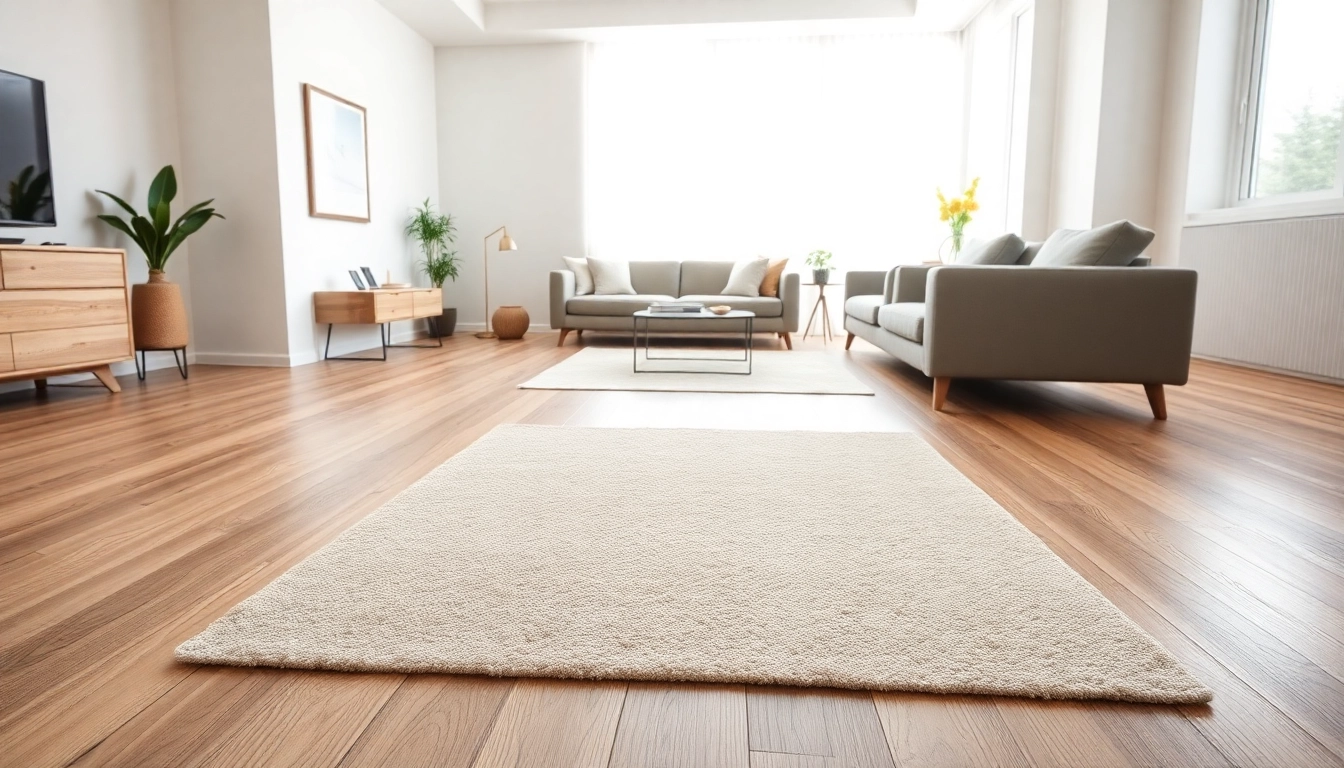
Hardwood flooring evokes a sense of timeless elegance and warmth, making it a favorite among homeowners. Solid hardwood consists of planks milled from a single piece of wood, while engineered hardwood features a thin veneer of real wood over a layer of plywood. Both options come with their unique advantages.
Hardwood is available in various species, including oak, maple, and cherry, each with its distinct grain pattern and color. This diversity allows homeowners to select a look that fits their interior design. Maintenance involves regular sweeping and occasional refinishing, ensuring that wood retains its natural beauty over the years.
Vinyl Flooring: Affordable Versatility
Vinyl flooring has become increasingly popular due to its affordability and versatility. Available in sheets, tiles, and planks, vinyl is a synthetic material that can mimic the appearance of natural stone, wood, and other materials while providing a durable solution for high-traffic areas.
The waterproof nature of high-quality vinyl makes it an ideal choice for kitchens and bathrooms. Moreover, its cushioned feel underfoot adds comfort, making it suitable for areas where families gather. Basic maintenance involves sweeping and occasional mopping, making it a low-effort flooring option.
Tile Flooring: Durability in Design
Tile flooring, often made of ceramic or porcelain, offers a blend of durability and design flexibility. Tiles come in various colors, shapes, and textures, allowing homeowners to create intricate patterns or choose a simple layout that fits their style.
One of the main advantages of tile flooring is its exceptional durability and resistance to moisture, making it perfect for kitchens, bathrooms, and entryways. With minimal maintenance, including regular cleaning and sealing of grout lines, tile flooring can last decades, adding lasting value to any home.
Factors to Consider When Choosing Flooring
Selecting flooring isn't solely about aesthetics; several factors should be evaluated to ensure that the chosen material meets the home's needs. Let's explore the primary considerations that can influence your decision.
Room Functionality and Lifestyle Needs
When assessing flooring materials, consider the functionality of the room. High-traffic areas, such as living rooms and hallways, require a more durable flooring option, while bedrooms may benefit from softer materials that enhance comfort. If you have pets or children, choosing flooring that can withstand spills and scratches is vital.
Your lifestyle plays a critical role in flooring selection. For example, a busy family might prioritize easy-to-clean options, while a couple without children may lean towards more delicate materials. Each element of your daily life should be accounted for to ensure lasting satisfaction with your flooring choice.
Budgeting for Your Flooring Project
Your budget significantly impacts flooring decisions. Consider not only the upfront costs of materials but also installation and long-term maintenance expenses. High-end materials, while aesthetically pleasing, may require higher initial investments, and costs can also vary based on location and installation complexity.
Incorporating a comprehensive estimate and reserving some contingency funds for unforeseen expenses will provide a clearer understanding of what you can afford. It’s also worth exploring options like financing or promotions from flooring suppliers that could help ease the cost burden.
Maintenance Requirements of Different Flooring
Understanding the maintenance needs of various flooring types is crucial when making a decision. Hardwood, for instance, can scratch easily and requires refinishing every few years. In contrast, vinyl’s wipe-clean surface ensures minimal upkeep, making it suitable for spaces that endure frequent spills.
Tile flooring may demand grout maintenance, a consideration that should not be overlooked. Researching the maintenance protocols for each flooring choice can help you choose an option that aligns with your willingness to manage upkeep over time.
Installation Options for Your Flooring
Once you select the appropriate flooring for your space, the next step involves installation. Understanding your installation options can help you make informed decisions and potentially save on costs.
Professional Installation vs. DIY
The decision to hire professionals or embark on a DIY project can significantly affect the outcome of your flooring installation. While professional installation ensures quality workmanship and may include warranties, DIY installation can save money if you're willing to dedicate time and effort to learning the process.
For complicated flooring types, such as hardwood and tile, professional installation is often recommended to ensure that the materials are laid correctly, minimizing the risk of damage. However, simpler options like vinyl can be user-friendly for those willing to learn installation techniques.
Understanding Flooring Installation Costs
Installation costs can vary widely based on the type of flooring, the complexity of the job, and labor rates in your area. Generally, hardwood installation is more expensive due to the skill required, while luxury vinyl often has lower labor costs associated with it.
Always seek multiple quotes from different contractors to compare costs, and ensure that the quoted price includes all necessary materials and labor. This information will help you establish a more accurate budget for your flooring project.
Essential Tools for DIY Flooring Projects
If you opt for a DIY route, having the right tools is critical for successful installation. Some essential tools include a mitre saw for cutting flooring planks, a hammer for tapping flooring into place, and a level to ensure even flooring surfaces.
Additionally, equipment such as a utility knife, measuring tape, and moisture meter (especially for hardwood installations) should not be overlooked. Preparing adequately before starting your project is essential, as using the right tools will ultimately streamline the process and yield better results.
Trends in Flooring Design
The flooring industry is constantly evolving, with trends that reflect changing consumer preferences for style, sustainability, and functionality. Here are some of the most prominent trends shaping the market today.
Eco-Friendly Flooring Options
Increasing awareness of environmental issues has driven the demand for eco-friendly flooring options. Sustainable materials like bamboo, cork, and reclaimed wood are gaining traction, appealing to homeowners who prioritize green living.
Manufacturers are also producing flooring made from recycled materials, and promotional sustainability practices further attract environmentally-conscious buyers. These eco-friendly options not only minimize the carbon footprint but also enhance indoor air quality.
Popular Colors and Textures in Flooring
Color and texture play a crucial role in flooring trends that help enhance Interior design aesthetics. Neutral colors, such as greys, beiges, and taupes, remain popular as they create a versatile backdrop for various decor styles. Meanwhile, bold, dark hues and rich textures offer a sense of warmth and sophistication.
For those looking for a more modern or rustic feel, incorporating distressed finishes or textured surfaces provides character and depth while adhering to current design trends. Understanding these styles will help homeowners choose a flooring option that complements their unique taste.
Combining Flooring Styles for Unique Interiors
Combining flooring styles can create intriguing visual interest within a space. For example, transitioning between different materials, such as hardwood in high-traffic areas and vinyl in kitchens, can enhance both functionality and design.
In open-concept spaces, utilizing different flooring types can help delineate areas while maintaining consistency across the home’s overall style. Gradual transitions can be achieved through the use of rugs or unique trim to enhance the design while ensuring the along with a harmonious flow.
Maintaining Your Flooring for Longevity
Once installed, regular maintenance is key to preserving the beauty and functionality of your flooring over time. Engaging in effective care strategies can greatly extend its lifespan.
Cleaning Tips for Different Flooring Types
Each flooring type has distinct cleaning requirements that should be honored to keep the material options in pristine condition. For hardwood, regular sweeping and dry mopping are best, while occasional deep cleaning with pH-balanced solutions helps to preserve the wood’s finish.
Vinyl benefits from simple damp mopping and spot cleaning for tough stains. Tiles require sweeping and periodic deep cleaning with specific tile solutions to address grime and stains on grout lines. A tailored cleaning regime will ensure each flooring type remains in excellent condition.
Preventing Damage to Your Flooring
Preventive measures are essential in extending the lifespan of your flooring. Utilizing area rugs can protect against scratches and indentations from furniture, whereas rubber mats can provide stability in high-moisture areas.
Regularly checking for issues, such as loose tiles or warped boards, can save homeowners from more significant damages down the line. Using protective felt pads under furniture and avoiding shoes on wooden floors are simple changes that can have an outsized impact on floor preservation.
When to Refinish or Replace Flooring
Recognizing the signs that your flooring requires refinishing or replacement is crucial for maintaining a healthy home environment. Hardwood floors typically benefit from refinishing every 5-10 years, depending on wear. Signs include visible scratches, discoloration, and an uneven finish.
On the other hand, vinyl can indicate the need for replacement if signs of cracking, lifting, or persistent stains arise. Regular inspections and an understanding of your flooring condition will help you make informed decisions about upkeep, ensuring your home remains attractive and functional.
Frequently Asked Questions
What is the most durable flooring option?
Tile and vinyl flooring are among the most durable options, designed to withstand high traffic and resist moisture, making them ideal for kitchens and bathrooms.
How often should I clean my flooring?
Frequency varies by material. Generally, hardwood should be swept weekly, while vinyl and tile can be mopped regularly—best practice is to clean as needed based on foot traffic.
Can I install flooring over existing flooring?
In many cases, installing new flooring over existing materials is possible, primarily with vinyl or laminate. However, it's essential to check for levelness and ensure the underlying flooring is secure.
How can I reduce noise from my flooring?
Using underlays can effectively reduce noise levels, especially for hardwood and laminate flooring. Area rugs also help diminish sound in large spaces.
What causes scratches on hardwood flooring?
Scratches can result from furniture moving, pet claws, or abrasive substances. Using protective pads under furniture and maintaining clean floors can help prevent them.