
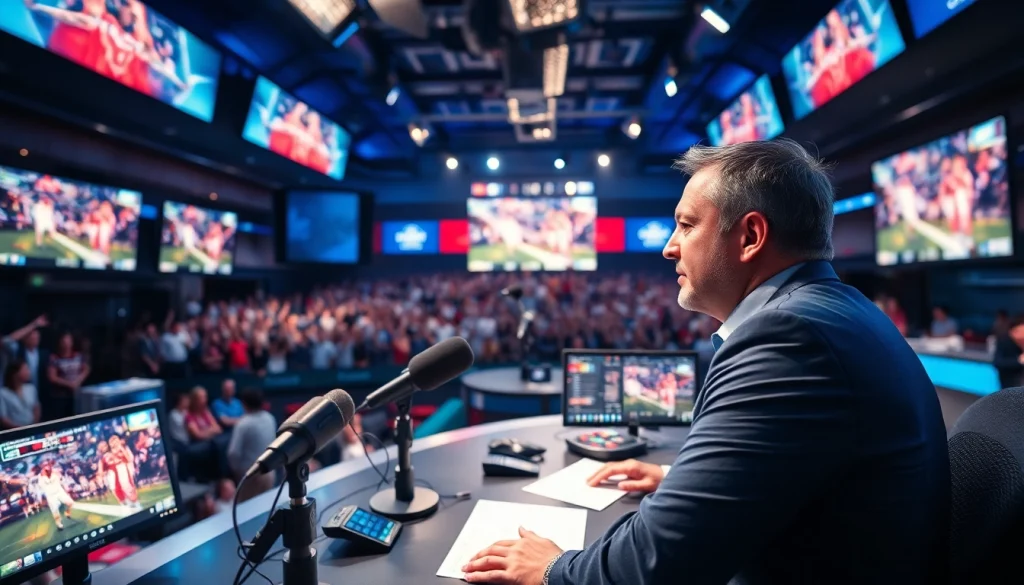
Understanding Sports Broadcasting
Sports broadcasting has become an integral part of the sports ecosystem, revolutionizing how audiences engage with their favorite teams and events. From local games to international competitions, the way sports are consumed has shifted dramatically over the years. A critical exploration of Sports Broadcasting reveals its evolution, key players, and the technologies that underpin this dynamic field.
The Evolution of Sports Broadcasting
Sports broadcasting has a rich history that dates back to the early 20th century when radio broadcasts of sporting events first captured the public’s imagination. The advent of television in the mid-20th century brought about a paradigm shift, allowing fans to experience the excitement of live games from the comfort of their homes. This shift catalyzed the modern broadcasting landscape, where cable networks and digital platforms began vying for broadcasting rights to major events.
In recent years, the rise of streaming services has further transformed sports broadcasting, providing fans with unprecedented access to a wide array of content. Whether through subscription-based platforms or free services, viewers can enjoy sports in ways previously unimaginable, leading to an audience that craves both live and on-demand content.
Key Players in Sports Broadcasting
The sports broadcasting industry comprises a multitude of players, including traditional channels, cable networks, and digital platforms. Major broadcasters have established partnerships with leagues and teams, securing exclusive rights to air games, which not only enhances their visibility but also drives significant revenue through advertising and subscriptions.
Additionally, tech giants are entering the fray, changing how games are produced and consumed. These players not only offer streaming services but also leverage data analytics to provide enhanced viewing experiences. The blending of traditional broadcasting and modern technology creates a competitive landscape where innovation is essential for success.
Core Technologies Behind Sports Broadcasting
The backbone of sports broadcasting lies in advanced technology. Many broadcasts now utilize high-definition cameras, drone technology, and augmented reality to deliver captivating content that enhances viewer engagement. Live graphics and overlays offer real-time statistics, while slow-motion replays provide moments of tension and excitement that are pivotal in live sports.
Moreover, innovations such as 5G technology promise to improve streaming clarity and reduce latency, allowing fans to experience events as if they were in the stadium. As technology evolves, so too will the possibilities for delivering immersive sports broadcasting.
Key Strategies for Effective Sports Broadcasting
Engaging Your Audience with Live Coverage
Live coverage is critical in sports broadcasting, presenting an opportunity to create a dynamic and interactive experience. Utilizing multiple camera angles, engaging commentary, and real-time analysis can keep viewers on the edge of their seats. Additionally, integrating interactive elements like polls or viewer questions fosters a sense of community among fans, encouraging them to engage actively with the broadcast.
Moreover, utilizing mobile apps that complement the broadcast by providing behind-the-scenes content or exclusive interviews can significantly enhance viewer interaction, making them feel more connected to the event.
Utilizing Social Media for Broader Outreach
Social media serves as a powerful tool for expanding the reach of sports broadcasts. By sharing highlights, live updates, and engaging narratives, broadcasters can tap into the vast audience that frequents platforms like Twitter, Instagram, and TikTok. Creating shareable content encourages fans to promote broadcasts within their networks, leading to organic growth in viewership.
Additionally, social media facilitates real-time interaction during events, allowing broadcasters to respond to comments and share fan-generated content. This two-way communication reinforces loyalty and keeps audiences engaged long after the final whistle blows.
Incorporating Viewer Feedback into Broadcasts
Listening to audience feedback is crucial for improving sports broadcasts. Surveys post-event, social media interactions, and analytics help broadcasters understand viewer preferences and needs. This information can be used to refine content strategies, adjust broadcast formats, or enhance viewer engagement through targeted initiatives.
For instance, if viewers express a desire for more in-depth analysis, producers can adjust their commentary teams or introduce segments that focus on analytics and player performance. By prioritizing audience input, broadcasters can cultivate devoted fans who feel valued and heard.
Challenges in Sports Broadcasting
Adapting to New Technologies
As technology evolves at a rapid pace, sports broadcasters face the constant challenge of adaptation. Embracing new tools and platforms is essential for maintaining relevance and providing high-quality content. However, this transition can often be fraught with increasing costs, training requirements, and the need for strategic foresight.
Broadcasters must remain proactive in scouting technological developments, identifying which innovations are necessary to enhance their offerings while also fitting within their operational budgets. This can require significant investment in staff training and technical infrastructure to ensure that the broadcasts keep pace with the audience’s expectations.
Regulatory Hurdles in Broadcasting
The sports broadcasting sector is often subject to multifaceted regulatory frameworks concerning rights, distribution, and advertising. Navigating the complexities of these regulations, especially when dealing with international broadcasts, can prove challenging. Compliance is crucial, as missteps can lead to costly penalties or loss of broadcasting rights.
Having an experienced legal and compliance team is essential for tackling these issues, ensuring that all broadcasts adhere to the necessary guidelines and that they engage with regulatory bodies effectively.
Competitive Landscape Analysis
The competitive nature of sports broadcasting is intense with numerous entities vying for audience attention. Understanding competitor strategies and audience engagement methods is vital for staying competitive. Conducting thorough market analysis, undertaking audience segmentation studies, and leveraging competitive intelligence can guide broadcasters in tailoring their offerings to better meet audience demands.
Moreover, partnerships, acquisitions, and collaborations are avenues through which broadcasters can enhance their competitive edge, but these moves must be strategic and data-driven to ensure long-term sustainability.
Best Practices in Sports Broadcasting
Optimizing Content for Different Platforms
Each platform presents unique opportunities and challenges for content distribution. Sports broadcasters must optimize their content for television, mobile, and social media to maximize reach and engagement. For instance, longer, in-depth analyses may work well on television, while quick highlights and engaging moments thrive on social media channels.
Understanding the audience of each platform allows broadcasters to tailor their content effectively, ensuring that the right messages reach the right people at the right time. This entails employing various formats such as live streams, clips, articles, and infographics tailored for specific platforms.
Building Strong Broadcast Teams
The success of any sports broadcast hinges on the quality and expertise of its team members. Recruit passionate individuals with a deep understanding of the sport, alongside technical experts skilled in modern broadcasting technologies. Fostering a collaborative culture where creativity and innovation are encouraged can lead to more engaging broadcasts.
Moreover, ongoing training and professional development must be prioritized, as continued education in the rapidly changing landscape is crucial to maintaining a competitive edge. This investment will ultimately reflect in the quality of broadcasts produced.
Measuring Success with Analytics
Analytics play a pivotal role in gauging the success of sports broadcasts. By analyzing viewership data, engagement metrics, and audience feedback, broadcasters can gain valuable insights into what resonates with viewers. Metrics such as viewer retention rates, social media engagement, and demographic information provide crucial feedback that can drive decision-making.
To leverage analytics effectively, broadcasters should invest in advanced analytics tools and methodologies. This not only informs future content creation but also identifies trends that will help shape the future of sports broadcasting.
Future Trends in Sports Broadcasting
Impact of Streaming Services on Sports Broadcasting
Streaming services have disrupted traditional sports broadcasting, offering flexibility and accessibility to viewers. As sports leagues increasingly negotiate streaming contracts and develop their platforms, audiences now expect instant access to their favorite sports whenever and wherever they are.
This shift is compelling traditional broadcasters to adapt as they face the challenge of retaining audiences who may prefer the on-demand nature of streaming. To stay competitive, they must explore partnerships or develop their streaming options that offer a similar experience to attract and retain viewers.
Virtual and Augmented Reality Experiences
Virtual reality (VR) and augmented reality (AR) are poised to transform sports broadcasting by providing viewers with immersive experiences. Fans can enjoy virtual seat experiences, wander through stadiums, or even watch the game from various angles, enhancing their engagement.
As the technology becomes more affordable and accessible, earlier adoption can set broadcasters apart. Implementing VR and AR experiences in broadcasts can create unique selling points that captivate tech-savvy audiences and attract the next generation of sports fans.
Predictions for the Future of Sports Broadcasting
The next phase of sports broadcasting will likely reflect a blend of technology and personalization. Advances in artificial intelligence (AI) allow for tailored content curation based on viewer preferences, delivering a personalized experience that can significantly enhance engagement.
Furthermore, with the growing influence of eSports, traditional sports broadcasting may also begin to incorporate elements from this sector, such as interactive gameplay and audience participatory features, further blurring the lines between traditional sports and gaming.
Frequently Asked Questions
What is the importance of sports broadcasting?
Sports broadcasting is vital for bringing events to a wide audience, enhancing fan engagement and driving revenue through advertising and subscriptions.
How has technology changed sports broadcasting?
Technology has transformed sports broadcasting through enhanced viewing experiences, multi-angle coverage, and immediate access to live events via streaming services.
What are common challenges in sports broadcasting?
Common challenges include keeping pace with technology, navigating regulatory frameworks, and competing effectively in a crowded market.
Why is audience engagement crucial in sports broadcasting?
Engaging audiences fosters loyalty, enhances viewership, and ultimately drives revenue, making it essential for the success of any broadcasting strategy.
What trends should I watch in future sports broadcasting?
Key trends include the rise of streaming services, the integration of VR and AR experiences, and advances in AI for personalized content delivery.


